
Instagram, TikTok, Facebook. LinkedIn, WhatsApp, email. The channels for reaching customers now feel infinite. So the conversation about whether small businesses need websites has shifted from 'yes or no' to something more complicated: 'do I really need one when I can do everything on social media?'
The short answer is: probably yes. But let me explain why, because the reasons have changed since 2016.
What's Actually Happened to Social Media Reach
Facebook's organic reach for business pages dropped to roughly 5.2% back in 2023 and hasn't recovered. That means if you have 1,000 followers on your business Facebook page, maybe 52 people see your posts without paying for ads. TikTok's algorithm is generous to new creators, but it's unpredictable. You can go viral one week and invisible the next.
A furniture retailer posting a beautiful sofa photo on Instagram might reach their followers. Or they might not. The platform's algorithm decides. Meanwhile, a website sits there consistently, waiting for someone to search for 'modern sofas London' or 'affordable dining tables near me'. A website doesn't disappear when the platform decides to change its rules overnight.
That stability matters more than many business owners realise.
The Search Engine Problem
Here's something that doesn't get said enough: Google still drives genuine buyer intent. When someone searches for something specific, they're looking to buy or learn something immediately. When someone scrolls TikTok, they're entertaining themselves.
If you sell furniture online or operate a showroom, people search for you. They search for your products. They search for your location. A website captures that traffic. A TikTok account doesn't.
In 2026, Google continues to prioritise websites over social media profiles in search results. A furniture business with a proper website describing their sofas, tables, and availability will outrank a business with only a Facebook page. This isn't opinion. It's how search engines work.
Control Over Your Message
Social media platforms own your presence. They change layouts, hide features, charge for visibility, or shut down entirely. Remember when Twitter changed its character limit and millions of small business accounts had to adapt? Or when Elon Musk's decisions made thousands of business owners reconsider their entire strategy?
A website is yours. Your design choices. Your pricing information. Your product descriptions. Your testimonials. You control the narrative entirely.
A furniture showroom can list every sofa brand they stock, the exact dimensions, fabric options, and delivery times. On social media, you're limited by platform constraints and algorithm whims. Customers want information. Websites deliver it.
When You Actually Don't Need a Website
Let's be fair. There are situations where a website doesn't make sense.
If you're running a hyper-local service business where you get most clients through word of mouth or a small WhatsApp network, a website might be overkill. A plumber in a village of 2,000 people might find a website pointless.
If your entire business operates through a marketplace like Etsy, Amazon, or Vinted, a website adds little value. A seller flogging vintage furniture pieces on eBay doesn't necessarily need their own site when the platform's already driving traffic.
If you're brand new and testing an idea with minimal budget, starting without a website is reasonable. But scale beyond that, and you'll feel the absence.
The Cost Argument Doesn't Hold Anymore
The old excuse was cost. Building a website used to be expensive. Now it isn't. Platforms like Wix, Squarespace, and Shopify let you build a functional website for pounds 10-30 per month. Registering a domain costs around £10 annually. That's genuinely affordable.
A small furniture business can have a simple site showing their stock, contact details, and opening hours within an afternoon. No fancy design needed. Just functional.
Compare that to what you're spending on paying for social media reach. Most small businesses now pay for Instagram or Facebook ads. A modest budget of £50 per week is £2,600 annually. A website costs a fraction of that and doesn't require continuous ad spend to remain visible.
The Reality for Furniture Businesses Specifically
Furniture retailers have specific needs. Customers want to know dimensions, colours, materials, and prices before visiting a showroom. They want to see photos of how products look in different settings. They want to read reviews from people who've actually bought.
Social media works well for inspiration. Pinterest and Instagram are brilliant for that. But when someone's ready to buy, they want details. They want a proper shop. They'll visit a website.
A furniture business with both a website and active social media outperforms one with social media alone. The website handles the research phase. Social media drives awareness and inspiration.
Looking Forward
By 2026, websites won't become less relevant. If anything, they'll remain essential precisely because social media algorithms have become so unreliable. Businesses that rely solely on platform reach are building on someone else's land.
A website is the one place you fully control your online presence. For a small business, that matters.
So yes, you probably still need one.

Trending articles
-
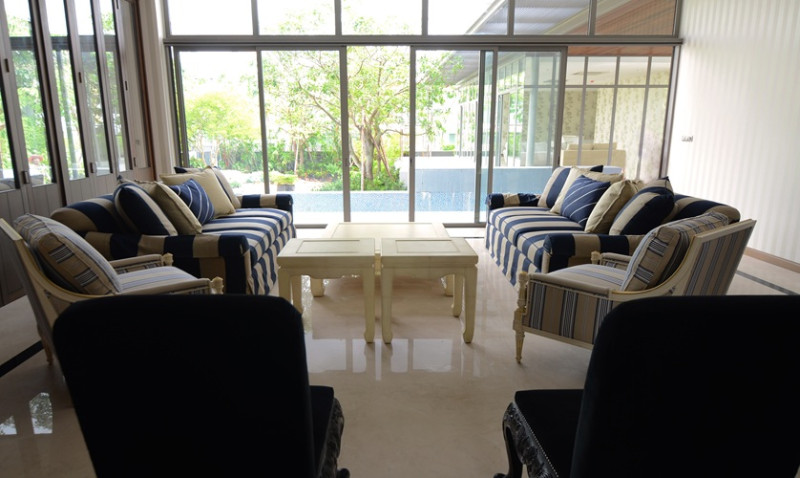 Flat Pack Furniture UK: Tips to Build ...
Mar 2026
Flat Pack Furniture UK: Tips to Build ...
Mar 2026
-
 How to Care for Leather Furniture UK: ...
Mar 2026
How to Care for Leather Furniture UK: ...
Mar 2026
-
 Small Living Room Furniture Ideas UK: ...
Mar 2026
Small Living Room Furniture Ideas UK: ...
Mar 2026
-
 Solid Wood vs MDF Furniture: Which is ...
Mar 2026
Solid Wood vs MDF Furniture: Which is ...
Mar 2026
-
 How to Choose a Sofa That Lasts: UK ...
Mar 2026
How to Choose a Sofa That Lasts: UK ...
Mar 2026
-
 Dining Tables and Chairs: A Practical ...
Mar 2026
Dining Tables and Chairs: A Practical ...
Mar 2026