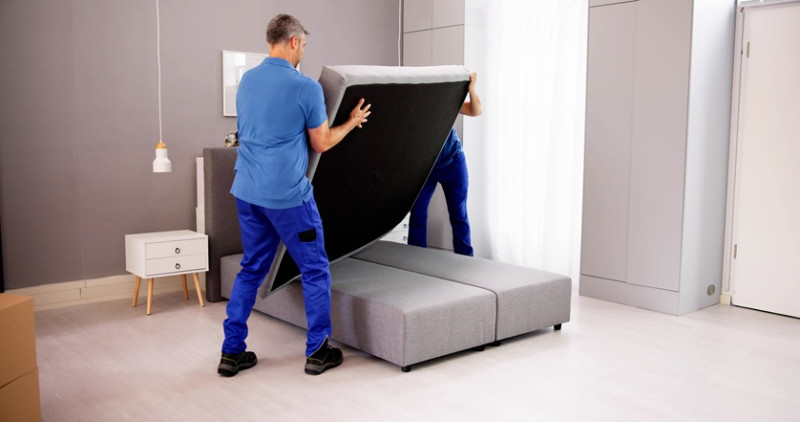
A furniture retailer in Clapham doesn't need to rank for 'sofas in London'. That's 1.9 million people spread across 600 square miles. What they actually need is to rank for 'sofas in Clapham' or better yet, 'corner sofas near Balham High Street'. That's their actual customer base. The 3,000 people within walking distance on a Saturday afternoon.
Most furniture businesses waste time and money chasing broad city keywords. They compete against every other retailer in the region. They spend months climbing rankings only to discover that most clicks come from postcodes 6 miles away where they don't have customers and can't deliver quickly.
What Hyper-Local SEO Actually Means
Hyper-local SEO targets specific neighbourhoods, postcodes, and street-level areas rather than entire cities. For furniture retailers, this is not a niche tactic. It's essential.
When someone in Peckham searches 'reclaimed wood dining tables near me' on a Tuesday evening, they're probably looking for something they can see in person within a week. They want to sit on the chair. They want to check the wood grain. They want to know if it fits through their door. They're not thinking about travelling 45 minutes across town.
This is where neighbourhood-level targeting wins. You rank in the exact moment someone needs you, in the exact place they search from.
Three Ways to Build Neighbourhood Authority
1. Create Neighbourhood-Specific Landing Pages
Generic pages about 'furniture in London' rank for nothing. Nobody searches that way. But 'furniture shop in Islington', 'modern sofas Bethnal Green', and 'affordable bed frames near Shoreditch' are real searches with real commercial intent.
Build separate pages for each neighbourhood you serve. Not keyword-stuffed nonsense. Actual pages that mention local landmarks, transport links, and parking details. Include the postcode. Mention which bus routes serve your shop. Say whether you're near the tube or a train station.
A furniture store in Brixton might create pages for Stockwell, Herne Hill, and Streatham as satellite neighbourhoods. Each page ranks independently. Each drives foot traffic from a specific area.
2. Claim and Optimise Every Local Directory Entry
Google Business Profile matters. So do local directories like Yell.com, Trustpilot, and industry-specific listings. But here's what matters more: consistency across all of them.
Your business name, address, and phone number must be identical everywhere. If one listing says 'The Furniture Deal', another says 'Furniture Deal Ltd', and a third says 'The Furniture Deal Showroom', Google gets confused. Your authority fragments. You rank worse.
Claim your listings. Add photos of your stock. Write descriptions that mention specific neighbourhoods. Respond to every review, positive or negative, within 48 hours. This signals to Google that you're an active, engaged local business.
3. Build Neighbourhood Backlinks
A backlink from the Brixton Community Centre website matters more to a Brixton furniture store than a link from a national blog. It proves local relevance.
Contact neighbourhood associations, community centres, local schools, and business improvement districts. Sponsor a small event. Donate furniture to a local charity. Write a guest post for a neighbourhood blog. Get mentioned in local press. These hyperlocal connections improve your search visibility in ways that national backlinks simply cannot.
The Postcode Radius Opportunity
Most search engines understand geography now. When someone searches 'upholstered chairs near me', Google knows their approximate location. It shows results within a 5-mile radius by default, then expands outward if no results match.
Your job is to dominate that 5-mile radius. Own your immediate neighbourhood completely before trying to expand further.
Use postcode-level data. Tools like Similarweb and Hotjar show where your website visitors come from. If you're pulling most traffic from postcodes south of your store, focus your local SEO work southward first. Don't waste effort on areas that don't convert.
Content That Speaks to Neighbourhoods
Blog content works differently at neighbourhood level. Don't write 'Best Sofas in London'. Write 'Where to Find Mid-Century Sofas in Hackney' or 'Affordable Dining Tables in Peckham: A Local Buyer's Guide'.
Mention local shops, local transport, local restaurants where customers might visit nearby. Create mental associations between your neighbourhood and your furniture store. Someone browsing furniture on a Saturday morning is already thinking about their area. Meet them there.
Video content works particularly well. Film a short walkthrough of your shop from the nearest bus stop or tube station. Show how easy parking is. Feature customer testimonials from people in your immediate area. These videos rank in neighbourhood searches and drive serious foot traffic.
Why This Actually Works
Hyper-local SEO works because it matches intent perfectly. A person searching for furniture in their own neighbourhood is 40% more likely to visit your store than someone searching for furniture in the city. They're closer. They're ready. They've already decided on geography.
For furniture retailers especially, this matters. Sofas are heavy. Delivery costs money. Customers want short delivery windows. They want to support local businesses. They want to see the product before committing to a purchase.
Neighbourhood SEO gives you exactly this customer. It just requires you to think smaller than you probably do now.
The Next Step
Audit your current SEO strategy. How many of your top-ranking pages target specific neighbourhoods versus entire cities? How many are generic versus locally distinct? This gap between where you rank now and where you could rank is where your best growth opportunity sits. Start with your immediate neighbourhood. Dominate it completely. Then expand methodically to surrounding areas. This is how local furniture retailers actually win online.
Trending articles
-
 Flat Pack Furniture UK: Tips to Build ...
Mar 2026
Flat Pack Furniture UK: Tips to Build ...
Mar 2026
-
 How to Care for Leather Furniture UK: ...
Mar 2026
How to Care for Leather Furniture UK: ...
Mar 2026
-
 Small Living Room Furniture Ideas UK: ...
Mar 2026
Small Living Room Furniture Ideas UK: ...
Mar 2026
-
 Solid Wood vs MDF Furniture: Which is ...
Mar 2026
Solid Wood vs MDF Furniture: Which is ...
Mar 2026
-
 How to Choose a Sofa That Lasts: UK ...
Mar 2026
How to Choose a Sofa That Lasts: UK ...
Mar 2026
-
 Dining Tables and Chairs: A Practical ...
Mar 2026
Dining Tables and Chairs: A Practical ...
Mar 2026