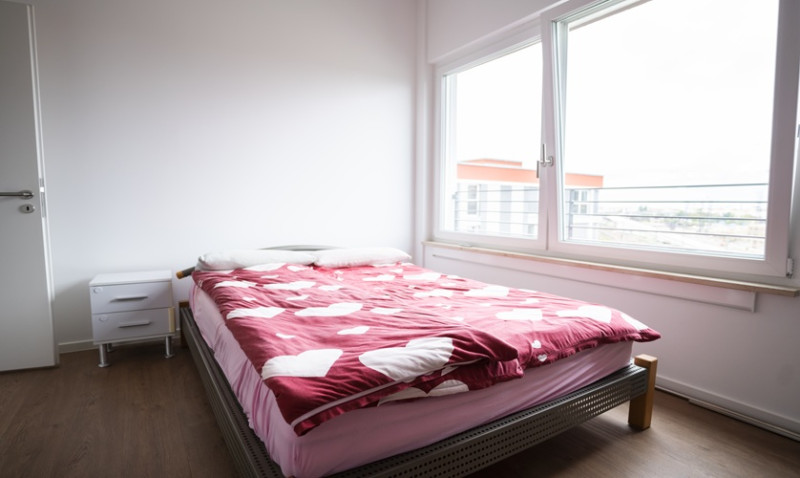
Someone is sitting on their sofa right now, scrolling their phone. The fabric's worn. They've decided today is the day. They type "sofas near me" into Google, and they want results within ten minutes drive time. They don't want a catalogue. They don't want to wait six weeks for delivery. They want to walk into a showroom, sit on something, and possibly leave with a purchase order the same afternoon.
This person exists. Thousands of them search every month. Most furniture retailers miss them entirely.
Google reported that "near me" searches grew 150% year-on-year between 2015 and 2017, and the behaviour hasn't slowed. For local businesses, these high-intent queries convert faster than branded searches. They convert faster than generic "best sofas UK" queries. Someone typing "beds near me" has already made a decision. They're not comparing prices online for three weeks. They're ready to buy.
Why Furniture Retailers Are Losing Local Customers
The irony is brutal. Furniture is inherently local. You can't post a sofa. Shipping costs are prohibitive. Most customers want to visit a physical location, sit on the product, check the colour matches their living room photos, and arrange delivery within days. Yet many furniture shops online are completely invisible when someone searches locally.
The reasons are straightforward. Some have never set up Google Business Profile listings. Others created them years ago and left them dormant. Store hours are wrong. Phone numbers are outdated. Photos show a dusty showroom from 2015. There's no description of what's actually in stock. Reviews are absent or ancient.
That's a competitive gap you can exploit if your business is set up properly.
The Three Pillars of Local Visibility
Ranking for local searches isn't mysterious. Google's algorithm cares about three distinct factors when someone searches "furniture shops near me" or "cheap beds in Bristol".
First is relevance. Your Google Business Profile needs to accurately describe what you sell. If you're a sofa specialist, say so. If you stock reclaimed wood dining tables, mention it. If you offer next-day delivery, that matters. Google's matching system reads these details and connects them to search queries. A vague description like "furniture store" ranks worse than "contemporary leather sofas and dining sets" because it gives the algorithm nothing to match against.
Second is distance. Google uses the user's location to rank results. This one you can't control directly. If someone in Nottingham searches "corner sofas near me", you won't appear if you're in Plymouth. Distance is a hard constraint. This means local visibility strategies only work for people within reasonable delivery distance of your location.
Third is authority. This comes from Google Business Profile reviews, local citations (mentions of your business name, address, and phone number on other websites), and how many people click your listing when they see it. A furniture shop with 47 five-star reviews will typically outrank one with three reviews, assuming the other factors are equal.
Practical Steps to Capture Local Intent
Start with your Google Business Profile. Claim it immediately if you haven't already. Verify it using the postcard Google sends to your address. Fill out every section completely. Add your real phone number and check your listed hours are correct. If you're closed Mondays, say so.
Upload photos. Real ones. Show your actual showroom, stock on display, and products you sell regularly. Furniture-Deal directory members often benefit from browsing competitor photos to see what works. If a local sofa shop posts 12 photos of their display area and you post one, they've already won that round. Aim for at least 15 photos. Include exterior shots, interior showroom views, and close-ups of specific products.
Add a detailed business description. This is where relevance lives. Write something like: "Family-run furniture retailer selling modern sofas, recliners, and dining sets. Same-day delivery available across Greater Manchester. Custom upholstery service for existing customers." This description directly answers the questions people ask Google before they call you.
Get reviews deliberately. After a sale, ask customers to leave a review on Google. Make it easy. Send them a direct link. A simple text message saying "We'd love your feedback on Google" works. Respond to every review, positive or negative. If someone complains about delivery, respond professionally and explain how you've fixed it. Google's algorithm weighs recent, responsive businesses higher.
Fix your local citations. Search your business name plus your town on Google. Note every website where your business appears. Yellow Pages, Yell, Furniture-Deal, local directories. Make sure the name, address, and phone number are identical on every platform. Inconsistencies confuse Google's systems and reduce your local ranking. If your trading name is "Modern Sofas Ltd" but some citations list you as "Modern Sofas Limited", fix them.
Create location-specific content. If you have multiple showrooms, create a separate page for each with local information. "Sofas in Bristol" and "Sofas in Bath" can be distinct pages mentioning your local team, local delivery times, and specific stock at each location. This helps you rank for location-plus-product searches.
The Numbers That Matter
A properly optimised Google Business Profile typically generates 30 to 50% more traffic than a neglected one. For a furniture shop with average margins, that could mean an extra hundred thousand pounds in annual revenue.
Local search clicks convert faster. Someone who finds you through a "near me" search is 40% more likely to contact you within 24 hours than someone arriving from a generic search. They've already shortened their consideration window. They're serious.
The Uncomfortable Truth
This isn't complicated work. It's not rocket science. It's maintenance. Setting up your Google Business Profile properly takes three hours. Responding to reviews takes five minutes a week. Taking better photos of your showroom is free if you use your phone. The barrier to winning local search isn't knowledge. It's attention and follow-through.
Most furniture retailers don't bother. That's your advantage.
Trending articles
-
 Flat Pack Furniture UK: Tips to Build ...
Mar 2026
Flat Pack Furniture UK: Tips to Build ...
Mar 2026
-
 How to Care for Leather Furniture UK: ...
Mar 2026
How to Care for Leather Furniture UK: ...
Mar 2026
-
 Small Living Room Furniture Ideas UK: ...
Mar 2026
Small Living Room Furniture Ideas UK: ...
Mar 2026
-
 Solid Wood vs MDF Furniture: Which is ...
Mar 2026
Solid Wood vs MDF Furniture: Which is ...
Mar 2026
-
 How to Choose a Sofa That Lasts: UK ...
Mar 2026
How to Choose a Sofa That Lasts: UK ...
Mar 2026
-
 Dining Tables and Chairs: A Practical ...
Mar 2026
Dining Tables and Chairs: A Practical ...
Mar 2026