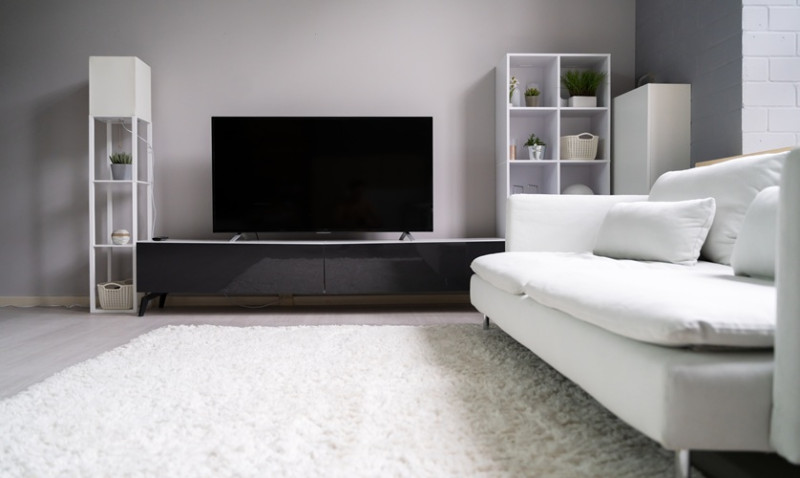
Since 2020, millions of UK workers have made the shift from commuting to working at a desk in their spare room. Some have stayed there permanently. What many don't realise is that HMRC allows you to claim tax relief on the costs of running a home office, provided you meet certain conditions.
The catch? You need to be using that space for work on a regular and exclusive basis. A corner of your kitchen table doesn't count. A proper desk in a dedicated room does.
What HMRC Actually Allows You to Claim
There are two ways to calculate your home office tax relief. The simplified method is simpler but less generous. The detailed method lets you claim specific expenses.
Under the simplified approach, you claim £26 per month for one room, £52 for two rooms, or £156 for three or more rooms. That's assuming they're genuinely used for work. It's straightforward, requires no receipts, and HMRC won't argue with you.
The detailed method is worth doing if you've spent real money. You can claim a proportion of your household expenses based on the percentage of your home used for work. So if your office is 10% of your property's floor area, you can claim 10% of your council tax, utilities, insurance, and rent or mortgage interest.
You can also claim 100% of costs directly related to the office itself. This is where furniture becomes relevant.
Furniture and Equipment: What You Can Claim
A desk, office chair, shelving, and filing cabinets are all claimable expenses. So is your broadband bill, provided you use it partly for work. A printer. A lamp. These are revenue expenses, not capital, so you claim them in the year you buy them.
Things get trickier with bigger items. If you buy office furniture costing more than £500, HMRC may treat it as a capital asset, meaning you claim capital allowances over several years rather than the full amount upfront. For most people working from home, this isn't an issue because a decent desk and chair rarely cost that much together.
Keep receipts. Take photos showing your office setup. If HMRC asks questions, you want evidence that you actually bought what you claim.
Buying Furniture Without Breaking the Bank
Setting up a home office doesn't require a boutique furniture budget. Function matters more than aesthetics here.
Start with the chair. You'll spend eight hours a day in it, so poor ergonomics will wreck your back. A £300 to £500 office chair with lumbar support, adjustable height, and armrests is a genuine investment. Cheap chairs fail within two years. An expensive office chair can last a decade. Retailers like Furniture Deal offer options across multiple price points, and you can browse reviews before committing.
Your desk needs to be large enough for your monitor, keyboard, and papers, but doesn't need to be enormous. A standard 1.2m desk in oak, white, or grey finishes costs £150 to £300 if you shop around. Some people prefer standing desks, which cost more but reduce fatigue if you alternate between sitting and standing throughout the day.
Storage matters. A filing cabinet or bookshelf keeps your space organised and makes it feel professional if you take video calls. Ikea sells affordable options, but there are better alternatives at competitive prices if you check business furniture suppliers.
Lighting is cheap and essential. Your monitor screen shouldn't be your only light source. A desk lamp with a warm bulb (around 3000K colour temperature) costs £30 to £70 and reduces eye strain dramatically.
Separate Work and Home to Stay Sane
The furniture you choose shapes your mindset more than you'd expect. If your office is just a laptop on the kitchen table, work bleeds into dinner. You never properly switch off.
A separate desk, even in a corner of your bedroom, signals to your brain that work has started. When you leave that desk, work ends. This boundary matters for productivity and mental health. Research from the University of California found that people with dedicated workspaces report higher job satisfaction and fewer distractions.
So when budgeting for furniture, think of a proper desk and chair as essential, not optional. Everything else is negotiable.
The Deduction Process
You claim home office relief through your self-assessment tax return if you're self-employed, or through your employer if you're an employee. HMRC updated rules in 2020 allowing employees to claim relief if working from home for at least 25% of their working time.
If you're employed, ask your employer whether they'll cover home office costs first. Many have moved to providing an allowance. If not, you can claim the difference yourself.
Record everything. Create a spreadsheet with purchase date, description, cost, and business use percentage. This takes five minutes per purchase but saves hours if questioned.
One More Thing
Don't overcomplicate this. Buy functional furniture that fits your space and budget. Keep the receipts. Claim what you're entitled to. That's it.
The point of tax relief isn't to fund an interior design project. It's to ensure you're not paying tax on money you've spent running your business. HMRC recognises that. They just want evidence, which is why your receipts matter more than your Instagram-worthy desk.

Trending articles
-
 Flat Pack Furniture UK: Tips to Build ...
Mar 2026
Flat Pack Furniture UK: Tips to Build ...
Mar 2026
-
 How to Care for Leather Furniture UK: ...
Mar 2026
How to Care for Leather Furniture UK: ...
Mar 2026
-
 Small Living Room Furniture Ideas UK: ...
Mar 2026
Small Living Room Furniture Ideas UK: ...
Mar 2026
-
 Solid Wood vs MDF Furniture: Which is ...
Mar 2026
Solid Wood vs MDF Furniture: Which is ...
Mar 2026
-
 How to Choose a Sofa That Lasts: UK ...
Mar 2026
How to Choose a Sofa That Lasts: UK ...
Mar 2026
-
 Dining Tables and Chairs: A Practical ...
Mar 2026
Dining Tables and Chairs: A Practical ...
Mar 2026