If you run a furniture business, Google Business Profile is where customers find you first. Not your website. Not Instagram. Google. When someone searches "sofa showroom near me" or "affordable dining tables in [your town]," your profile either appears or it doesn't.
The stakes are straightforward. A well-maintained profile converts browsers into visitors. A neglected one pushes them toward your competitors. We've seen furniture retailers gain 30% more foot traffic just by fixing basic profile issues.
Start With Your Business Information
This sounds obvious, but it's where most businesses fail. Your business name, address, and phone number must be identical across Google, your website, and any directory listings. Google calls this NAP consistency. If your showroom is called "Modern Sofas Ltd" on Google but "Modern Sofas Limited" on your website, the algorithm gets confused and your ranking suffers.
For furniture retailers specifically, include your full address. Don't hide it behind a "contact us" form. Customers want to know exactly where you are. Include postcodes properly formatted. If you have multiple locations, create a separate profile for each one.
Your phone number should be a direct line, not a switchboard that puts people on hold. If customers can't reach you easily, they'll call your competitor instead.
Write Descriptions That Actually Describe Your Business
Google gives you 750 characters for your business description. Use them properly. Don't write marketing waffle. Be specific about what you sell.
Instead of: "We offer quality furniture solutions for modern homes."
Try: "Independent furniture retailer stocking handpicked sofas, dining tables, and bedroom sets. Specialises in mid-century designs and sustainable hardwoods. Free delivery within 20 miles of central Manchester."
The second example tells a customer exactly what they'll find when they visit. It's also more likely to match the searches people actually type into Google.
Categories: Get Them Right
You can choose multiple categories on your profile. Many furniture businesses pick just one and call it done. That's a mistake.
If you sell sofas, beds, and dining furniture, select relevant categories for each. "Furniture store" is the obvious one. But if you sell vintage pieces, add "Antique furniture store." If you do bespoke upholstery, add "Upholstery shop." If you sell office furniture, add "Office furniture store."
Google uses these categories to match your business with customer searches. More categories equals more visibility, provided they're accurate.
Photos and Videos Matter Far More Than You Think
Posts with photos get 94% more views than text-only posts on Google Business. For furniture businesses, this is crucial. People need to see what you actually stock.
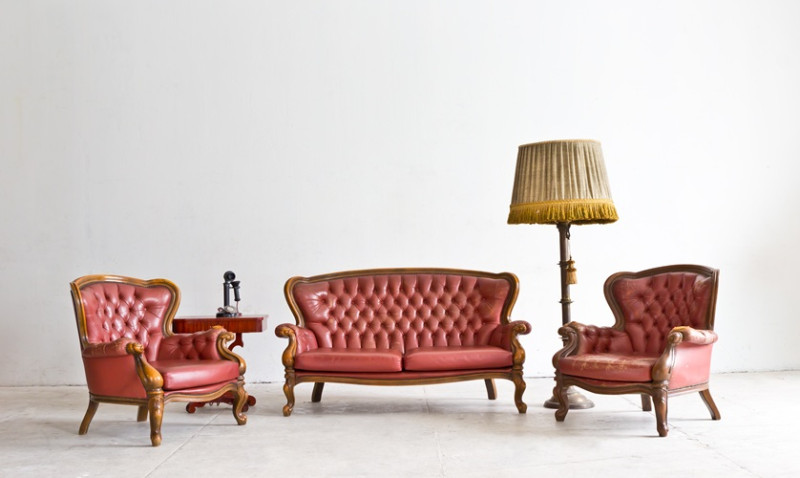
Upload at least ten high-quality photos of your showroom. Include shots of different furniture displays, the storefront entrance, your team, and customer testimonial photos if you can get them. Avoid stock photos. Use real pictures from your actual business.
Add video too. A 30-second walk-through of your showroom does more for conversion than paragraphs of description. Show customers where to park, which door to use, what they'll find inside.
Label your photos with captions. A photo of a sofa section could be captioned "Leather and fabric sofas, January 2026." This helps Google understand what customers are looking at.
Regular Posts Keep Your Profile Active
The Google Business Profile post feature lets you post updates, offers, and events directly to your profile. Many businesses never use it.
Post once per week if you can. Announce new stock arrivals, seasonal sales, or special events. If you're clearing end-of-line sofas, post it. If you're offering free delivery on beds this month, post it. Posts stay live for seven days, so they create a steady stream of activity.
Posts with photos get three times more clicks than text-only posts. Posts linking to a landing page get more conversions. Use the call-to-action button to direct people to "Learn more" or "Book appointment."
Encourage Genuine Reviews and Respond to Them
Reviews are the second-biggest ranking factor on Google Business after NAP consistency. A business with 50 five-star reviews ranks higher than an identical business with no reviews.
Ask customers to leave reviews after they've bought from you. Include a link to your review page in follow-up emails. Ask in-person at the till. Make it easy for them.
Respond to every review you receive. Thank positive reviewers by name. Reply to critical reviews promptly and professionally. Don't get defensive. Address their concern and explain what you'll do differently. Google sees your responses and factors them into rankings.
Use Questions and Answers
The Q&A section lets customers ask questions directly on your profile. Your team answers them publicly. This builds trust and provides free content that helps with search visibility.
Common questions for furniture retailers: "Do you deliver?" "What are your opening hours?" "Do you offer financing?" "Can I return items?" Answer these proactively even if no one has asked yet.
Keep Opening Hours Accurate
It's embarrassing how many businesses show wrong opening hours on Google. If your hours say you close at 6pm but you actually close at 5:30pm, customers show up to a locked door and leave annoyed.
Update your hours when you change them. Mark special closures and bank holidays. If you're closed for renovation, change your hours to reflect that. Check your profile monthly to make sure the information is still correct.
Monitor Your Insights
Google provides data about how customers find and interact with your profile. Check these metrics monthly. How many phone calls did you get from Google? How many people asked for directions? How many visited your website?
This data tells you what's working. If you're getting lots of direction requests but few phone calls, your location information is clear but your opening hours or phone number might not be. Adjust accordingly.
The Work Doesn't End
Optimising your Google Business Profile isn't a one-time task. It's ongoing maintenance. Spend 20 minutes per week on it. Post content. Respond to reviews. Check your hours. That consistency is what separates the showrooms that get steady foot traffic from the ones that sit empty.
Trending articles
-
 Flat Pack Furniture UK: Tips to Build ...
Mar 2026
Flat Pack Furniture UK: Tips to Build ...
Mar 2026
-
 How to Care for Leather Furniture UK: ...
Mar 2026
How to Care for Leather Furniture UK: ...
Mar 2026
-
 Small Living Room Furniture Ideas UK: ...
Mar 2026
Small Living Room Furniture Ideas UK: ...
Mar 2026
-
 Solid Wood vs MDF Furniture: Which is ...
Mar 2026
Solid Wood vs MDF Furniture: Which is ...
Mar 2026
-
 How to Choose a Sofa That Lasts: UK ...
Mar 2026
How to Choose a Sofa That Lasts: UK ...
Mar 2026
-
 Dining Tables and Chairs: A Practical ...
Mar 2026
Dining Tables and Chairs: A Practical ...
Mar 2026