Selling a house is one of the biggest financial decisions you'll make. Yet plenty of people spend more time choosing a sofa than picking an estate agent. That's backwards. The agent you work with will directly affect how much you get, how quickly you sell, and how much stress you're under during the process.
So let's talk about what actually matters when you're looking at estate agents in your area.
1. Ask About Their Sales Record in Your Street, Not Just Your Town
Generic statistics are useless. An agent might tell you they've sold 300 homes in the past year across their entire region. That doesn't help you understand whether they can shift a three-bedroom semi in your specific postcode.
When you're meeting agents, ask them directly: how many properties have they sold on your road in the last 18 months? What prices did they achieve? How long did those sales take? If they can't answer these questions with specifics, they're not paying attention to your neighbourhood.
Local knowledge matters. An agent who regularly sells properties near you understands the school catchments, the transport links, the perception of the area. They know whether your house will appeal to young families, retirees, or commuters. That changes how they'll market it.
2. Check Their Actual Marketing Strategy
Gone are the days when putting a sign in the garden was enough. Modern agents should be doing more than that, but you need to know specifically what.
Ask them to walk you through their process. Where will your property appear? Will it be on Rightmove, Zoopla, and their own website? Will they use professional photography and floor plans? Some agents now use video tours or 3D virtual walk-throughs. Do they manage social media campaigns?
Be wary of agents who can't articulate their marketing plan clearly. If they're vague about what they'll actually do to find buyers, that's a warning sign. The best agents should be able to tell you their strategy in concrete terms.
Also ask about their viewing process. Will they handle appointments themselves or use a showing service? Will they screen potential buyers before arranging viewings? Some people don't mind time-wasters turning up; others find it infuriating.
3. Understand Their Fee Structure Fully
This is where many people get caught out. Estate agent fees vary significantly across the UK. Some charge a percentage of the sale price, typically between 1% and 3%. Others charge a flat fee. A few use a combination.
You need to know exactly what you're paying and what happens if the sale falls through. Some agents charge a "preparation fee" upfront just to list your property. Others only charge if they successfully complete a sale. These are very different propositions.
Ask whether the fee is negotiable. Many agents will discuss this, especially if you're selling a higher-value property. Don't assume the quoted fee is set in stone. And compare at least three agents before deciding. The difference between paying 1% and 2% on a £400,000 house is £4,000 real money.
4. Look for Signs They Understand Your Property Type
An agent experienced in selling Victorian terraces in Manchester might be useless if you're selling a modern bungalow in Surrey. Experience with your type of property matters.
This is worth thinking about if you're selling something unusual. Maybe your home has been recently renovated with high-end fitted kitchens and new bathrooms. An agent should recognise this and market it accordingly. Or perhaps you've got a property with an interesting history, or unusual layout. The agent needs to see what makes your house special and know how to present that to the right buyers.
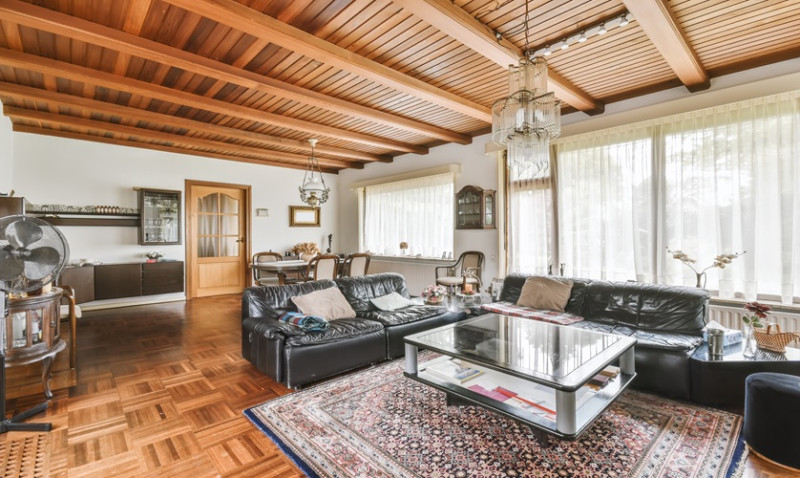
If you've invested in quality furniture and interior design, that's part of the story too. Some agents are good at photographing interiors in a way that makes spaces feel inviting. Others just snap photos of empty rooms. When you meet agents, ask to see examples of their previous marketing materials. You'll quickly see who understands visual presentation.
5. Check They're Actually Qualified and Regulated
Estate agents in England and Wales don't legally need qualifications to operate, though the best ones often have professional credentials. But they must be registered with either the Property Ombudsman, NAEA Propertymark, or ARLA Propertymark. This gives you some protection if things go wrong.
When you meet an agent, ask which scheme they're part of. If they're evasive or say they don't belong to any scheme, that's a red flag. A regulated agent is bonded, meaning if they go bust or behave dishonestly, you have recourse.
It's also worth checking their reviews on Google and Trustpilot. Not every negative review means they're bad, but if you see a pattern of complaints about communication or overpricing valuations, pay attention.
6. Have a Conversation, Not an Interview
You should feel comfortable with your agent. You'll be speaking to them regularly for months, potentially. If someone seems pushy, evasive, or if they spend the whole meeting talking and never asking about your situation, that's telling.
Good agents listen. They ask questions about why you're selling, when you need to move, what your priorities are. They want to understand your constraints before telling you what they can do. They also manage your expectations. If they're promising to sell your house in three weeks for more than comparable properties achieved, they're probably lying.
Trust your instinct here. If something feels off, move on to the next agent. There are plenty of competent people in the business.
The Bottom Line
Choosing an estate agent deserves proper attention. You're not just picking a service provider, you're choosing someone who'll represent your largest asset to potential buyers. Take time to meet at least three agents. Ask tough questions. Look at their track record in your area specifically. And go with someone who feels like a genuine partner in the process, not just someone after a commission cheque.

Trending articles
-
 Flat Pack Furniture UK: Tips to Build ...
Mar 2026
Flat Pack Furniture UK: Tips to Build ...
Mar 2026
-
 How to Care for Leather Furniture UK: ...
Mar 2026
How to Care for Leather Furniture UK: ...
Mar 2026
-
 Small Living Room Furniture Ideas UK: ...
Mar 2026
Small Living Room Furniture Ideas UK: ...
Mar 2026
-
 Solid Wood vs MDF Furniture: Which is ...
Mar 2026
Solid Wood vs MDF Furniture: Which is ...
Mar 2026
-
 How to Choose a Sofa That Lasts: UK ...
Mar 2026
How to Choose a Sofa That Lasts: UK ...
Mar 2026
-
 Dining Tables and Chairs: A Practical ...
Mar 2026
Dining Tables and Chairs: A Practical ...
Mar 2026